

They blend authenticity with scroll-stopping appeal so your outdoor moments reach more nature lovers without overwhelming the viewer.
Hitting the trails feels better when your feed matches the energy. These short lines turn sweaty summits and quiet forest paths into content that performs.
Below you’ll find twelve original angles packed with practical ideas, example lines, and growth-focused tips. Each section delivers twelve solid points you can use right away.
Unlocking Trail Energy Through Micro Momentum Lines
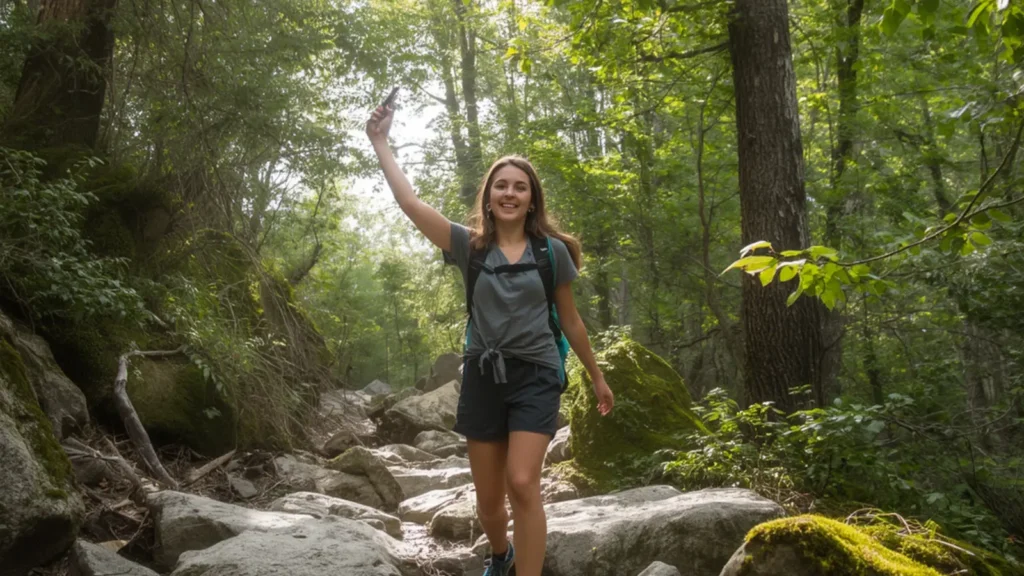
- Start every caption with a single strong verb that mirrors the physical act of climbing or descending; “Push,” “Breathe,” or “Rise” instantly signals movement and keeps the line under ten words for faster scanning.
- Pair the verb with a concrete sensory detail from the trail dirt under boots or wind on skin so the caption feels lived-in rather than generic.
- Keep the total character count between 60 and 110 so the full text appears above the fold on most mobile feeds and encourages complete reads.
- End with a soft call that invites replies without pressure, such as a simple emoji or open question about favorite elevation gains.
- Rotate between first-person and second-person perspectives to create both personal connection and communal invitation.
- Test the same photo with three slight variations of the line to measure which version lifts engagement rate on similar posts.
- Embed one relevant seasonal cue (morning frost, golden leaves) so the caption stays timely and algorithm-friendly.
- Avoid overused phrases that already saturate search results; invent fresh combinations that still feel natural when spoken aloud.
- Use line breaks sparingly so the caption remains compact yet readable in both feed and story formats.
- Align the emotional tone of the words with the visual energy of the image calm for misty forests, bright for open ridgelines.
- Track how often people save the post; short momentum lines that inspire future hikes tend to collect more saves.
- Refresh the approach monthly by swapping verbs while keeping the same structural formula to maintain consistency without boredom.
Syncing Boot Rhythm With Feed-Friendly Pulse Phrases
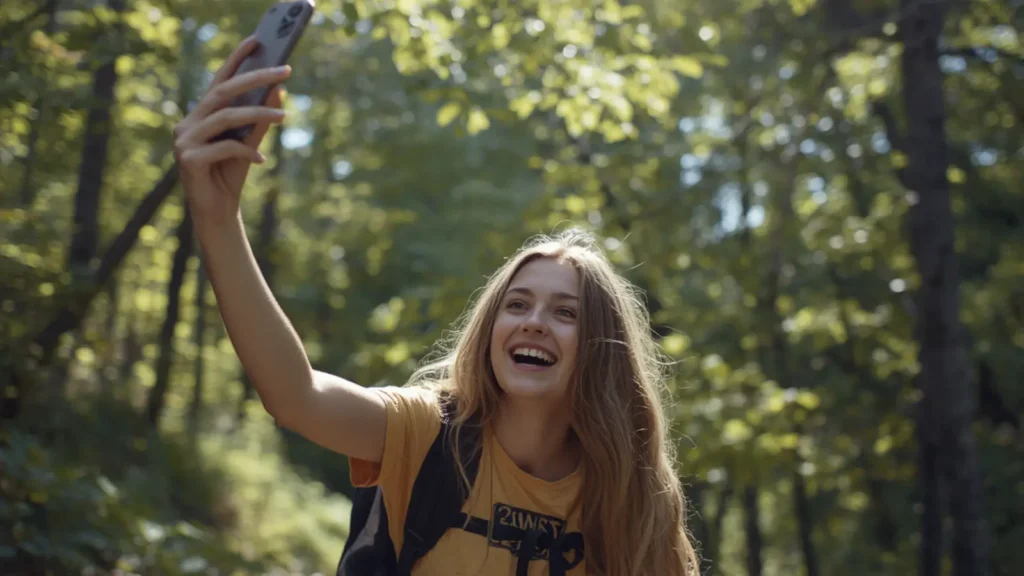
- Match the cadence of your walking pace in the caption itself short, rhythmic bursts that echo footfalls on rocky ground.
- Introduce a subtle contrast between effort and reward so readers feel the full arc of the hike in just a few words.
- Anchor the line to a specific trail feature (switchback, creek crossing) to give followers a mental map of the experience.
- Limit adjectives to one strong choice so the caption stays crisp and avoids visual clutter in the text.
- Experiment with present-tense phrasing to pull viewers into the moment rather than recounting it as past history.
- Add a single emoji that reinforces the physical sensation boots, mountain, or heart without stacking multiple icons.
- Craft versions that work equally well under a still photo or a short reel clip of the same stretch of path.
- Notice which pulse phrases generate more comments from people who have hiked similar terrain and lean into those patterns.
- Keep the language inclusive so day hikers and multi-day backpackers both feel represented.
- Practice reading the caption out loud at a natural walking tempo; if it stumbles, shorten or restructure.
- Use the caption to highlight recovery moments rest stops or summit snacks that humanize the achievement.
- Archive high-performing pulse phrases in a personal swipe file sorted by elevation or distance for quick future reuse.
Distilling Summit Air Into Compact Story Sparks
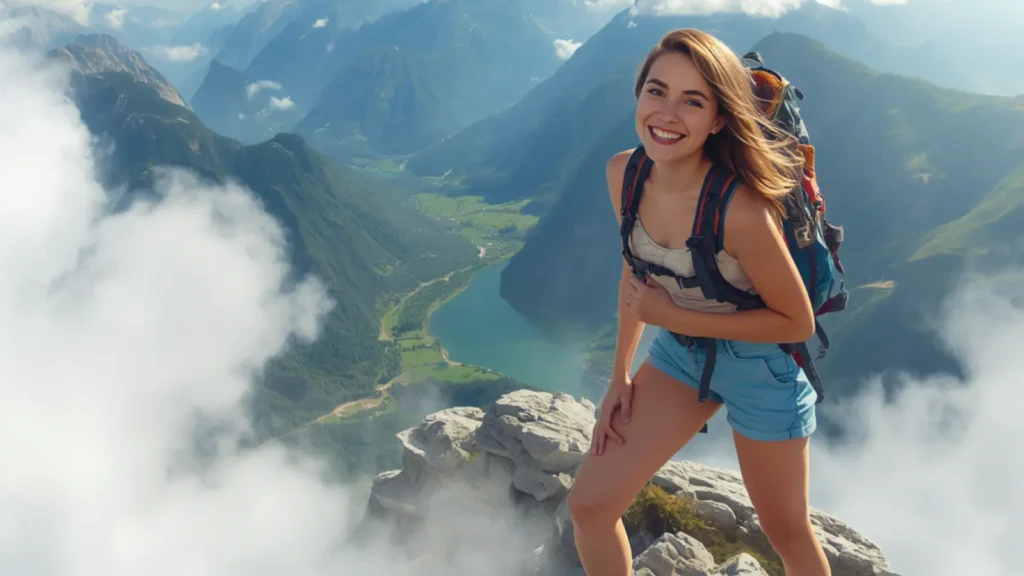
- Focus the entire caption on the exact second the view opened up rather than the whole journey that preceded it.
- Capture the temperature shift or the sudden quiet that often accompanies a high point so the line feels dimensional.
- Choose words that suggest both isolation and connection at the same time alone on the peak yet linked to everyone who has stood there.
- Keep the structure to one clear image plus one emotional note to prevent the caption from sprawling.
- Test whether a question about the next peak performs better than a pure statement for increasing comment volume.
- Incorporate the feeling of lighter air or clearer thinking that many experience above treeline.
- Write the line so it can stand alone if the photo loads slowly, ensuring the message still lands.
- Avoid naming specific commercial trails unless the location itself drives discovery for your audience.
- Use the caption as a soft bridge to future content by hinting at the descent or the next adventure without giving everything away.
- Measure saves versus likes; story sparks that people want to revisit later often signal stronger long-term value.
- Adjust the intensity of the language based on whether the summit was hard-won or relatively easy.
- Revisit successful summit lines after six months and update the sensory details to keep them feeling current.
Weaving Path Texture Into Scroll-Stopping Text Fragments
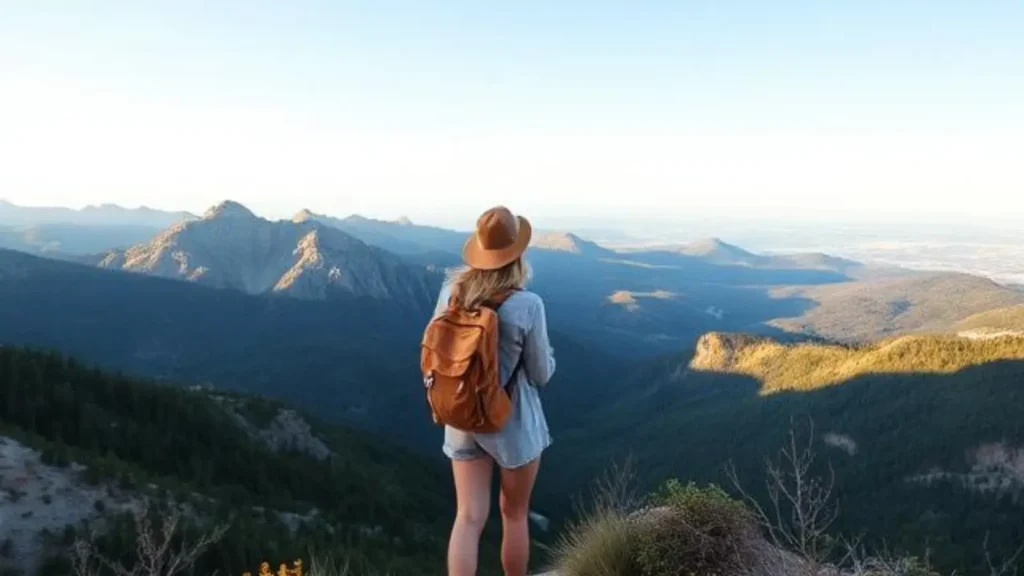
- Let the surface underfoot dictate word choice gravel, mud, pine needles, or slick rock each carry distinct energy.
- Translate the physical texture into emotional texture so the caption feels tactile even on a smooth phone screen.
- Limit the fragment to the most distinctive stretch of trail rather than summarizing the entire route.
- Pair the text with a close-up photo of boots or trail surface to reinforce the sensory theme.
- Experiment with onomatopoeic words that mimic the sound of steps when they fit naturally.
- Keep the fragment flexible enough to work with both vertical reels and square feed posts.
- Notice how texture-focused captions often attract comments from people sharing their own gear or surface experiences.
- Avoid technical trail jargon that excludes newer hikers; favor universal feelings of grip, slip, or bounce.
- Use the caption to celebrate the unglamorous middle miles that make the destination meaningful.
- Track which texture lines improve overall visibility when paired with location tags.
- Write variations that highlight different times of day on the same surface for series potential.
- Store the strongest fragments by terrain type so you can quickly match them to future photos.
Fueling Follower Curiosity With Horizon Hint Hooks
- Point the caption toward something just beyond the frame so viewers lean in and wonder what comes next.
- Use open-ended language that suggests possibility without revealing the full outcome of the hike.
- Keep the hook under eighty characters so it functions well as both a main caption and a reel cover text.
- Combine a visual cue (distant ridge, turning path) with a personal invitation to keep exploring.
- Test whether curiosity hooks generate more profile visits than pure celebration lines.
- Anchor the hint in a real detail from that day rather than inventing drama.
- Allow the caption to work across seasons by focusing on universal forward motion instead of specific weather.
- Pair the hook with a soft ask for others to share their own “what’s around the bend” moments.
- Refine the language until it feels conversational enough for voice search queries about short outdoor captions.
- Observe which horizon hooks collect the highest engagement rate among your existing adventure audience.
- Create a small series of related hooks that can be posted over consecutive days for momentum.
- Return to high-performing hooks and layer in new seasonal context to extend their useful life.
Amplifying Quiet Moments Through Whisper-Level Trail Notes
- Celebrate the still pauses between climbs water breaks, view rests, or simply standing and listening.
- Use softer verbs and shorter sentences to match the calmer energy of those moments.
- Focus on internal shifts rather than external achievements so the caption feels intimate.
- Keep the note brief enough that it never competes with the photo’s quiet composition.
- Invite followers to share their own favorite pause spots without turning the exchange into a competition.
- Choose language that works equally well under foggy or golden-hour lighting.
- Notice that whisper notes often earn more thoughtful comments than high-energy celebration lines.
- Avoid any pressure language; the goal is resonance, not urgency.
- Test the same quiet photo with both a whisper note and a stronger line to compare performance.
- Use these captions strategically on days when your feed needs breathing room between bigger adventure posts.
- Archive the notes that receive the most saves; quiet content frequently becomes long-term inspiration for others.
- Rotate emotional tones gratitude, reflection, simple presence so the style stays fresh across multiple quiet posts.
Linking Elevation Gains To Everyday Resilience Phrases
- Draw a clear parallel between the physical climb and a non-outdoor challenge without forcing the metaphor.
- Keep the connection subtle so the caption remains primarily about the hike itself.
- Use the elevation detail as a concrete anchor rather than an abstract life lesson.
- Write the phrase so it can stand alone if someone screenshots only the text.
- Measure whether resilience-framed captions attract a broader audience beyond core hiking followers.
- Stay honest about the difficulty level; exaggerated claims reduce trust and long-term engagement.
- Pair the line with a photo that shows both the gain and the human scale of the effort.
- Invite gentle replies about personal “uphill” moments that have nothing to do with trails.
- Keep the language accessible so newer hikers feel included rather than excluded by advanced statistics.
- Refresh the resilience angle every few months by changing the specific elevation or distance referenced.
- Track comment sentiment; positive personal shares often signal stronger community building.
- Use these phrases sparingly so they retain impact when they do appear.
Crafting Descent Lines That Celebrate Return Energy
- Shift focus from the summit to the downward journey and the different muscles and mindset it requires.
- Highlight the changing light or the return of familiar sounds as elevation drops.
- Keep the caption oriented toward completion and satisfaction rather than anticlimax.
- Use verbs that suggest release, flow, or grounded movement.
- Pair the text with photos that show the trail from a new downward perspective.
- Notice that descent captions often generate comments from people who find the way down more challenging.
- Maintain the same short length standard so the entire series of hike posts feels cohesive.
- Include a subtle nod to recovery food, rest, or next-day plans without turning the caption into a full itinerary.
- Test whether descent lines perform better later in the day when people are winding down.
- Create complementary ascent and descent pairs that can be posted as a mini sequence.
- Avoid language that diminishes the value of the return trip.
- Store successful descent phrases separately so they are easy to locate for future downhill content.
Harmonizing Group Trails With Shared Pulse Captions
- Write lines that acknowledge the collective rhythm without listing every person in the photo.
- Focus on the feeling of moving together rather than individual achievements.
- Keep the caption short enough that it never overshadows the group dynamic visible in the image.
- Use inclusive pronouns and open invitations so solo followers still feel welcomed.
- Experiment with captions that celebrate both the conversation and the comfortable silences on trail.
- Measure engagement differences between solo and group-oriented short captions.
- Anchor the line in a specific shared moment crossing a stream, reaching a viewpoint together.
- Avoid inside jokes that exclude the broader audience.
- Pair the caption with a photo that shows connection through body language or proximity.
- Invite followers to tag their trail partners in the comments for organic reach.
- Rotate between celebrating the group and highlighting the individual within the group.
- Revisit high-performing shared captions and adapt them for different group sizes or trail types.
Transforming Weather Shifts Into Adaptive Trail Snippets
- Capture the exact moment conditions changed sun to cloud, calm to breeze and the emotional response that followed.
- Keep the language practical and positive so the caption never sounds like a complaint.
- Use the weather detail as a way to show flexibility and presence on the trail.
- Limit the snippet to the most memorable sensory shift of the day.
- Test performance of weather-focused captions against pure view-focused ones.
- Choose words that work across seasons so the approach remains reusable.
- Pair the text with a photo that clearly shows the atmospheric change.
- Invite followers to share their own unexpected weather stories for higher comment volume.
- Maintain the short format even when describing more complex conditions.
- Notice which adaptive snippets collect more saves from people planning future trips.
- Avoid over-dramatizing minor changes; authenticity builds stronger long-term trust.
- Archive weather snippets by condition type for rapid matching to future variable days.
Elevating Solo Miles With Self-Contained Strength Notes
- Center the caption on the internal dialogue that often accompanies solo hiking.
- Keep the tone confident yet approachable so the line never feels isolating.
- Highlight a single decision or realization that occurred while walking alone.
- Use the short format to create intimacy rather than grand statements.
- Pair the note with a photo that conveys both space and personal presence.
- Measure whether solo-focused captions attract different comment styles than group posts.
- Stay honest about both the freedom and the occasional discomfort of going alone.
- Invite gentle replies from others who hike solo without turning the space competitive.
- Keep seasonal references light so the strength note remains usable year-round.
- Test the same solo photo with strength notes versus pure scenery lines.
- Store the strongest notes for days when you want to emphasize independence.
- Refresh the language periodically so the self-contained approach never grows stale.
Igniting Future Adventures Through Forward-Looking Trail Sparks
- End the caption by gently pointing toward the next trail rather than closing the experience completely.
- Use language that creates anticipation without promising specific locations or dates.
- Keep the spark short and open so it functions as both conclusion and invitation.
- Pair the text with a photo that leaves a sense of unfinished journey.
- Notice which forward-looking lines generate the most “I need this” style comments.
- Balance celebration of the current hike with curiosity about what comes next.
- Avoid pressure language that makes followers feel they must plan immediately.
- Test performance when the spark appears in both feed posts and reel captions.
- Use the approach to create soft continuity across multiple hiking posts over weeks.
- Invite followers to share the trails currently sitting at the top of their lists.
- Keep the vocabulary fresh by rotating verbs of movement and discovery.
- Return to successful sparks after completing the next adventure and close the loop in a later post.
Short hiking captions for Instagram work best when they feel like natural extensions of the trail itself brief, honest, and full of the same energy that got you outside in the first place.
Use the twelve approaches above as a living toolkit rather than a rigid formula.
Mix textures, quiet moments, group energy, and forward sparks so your feed stays varied and human.
Track what resonates with your specific audience, refine the language that earns saves and thoughtful comments, and keep returning to the dirt path for new material.
Your next post is waiting; lace up, write the line, and share the view.

A storyteller who turns simple thoughts into powerful caption lines.