
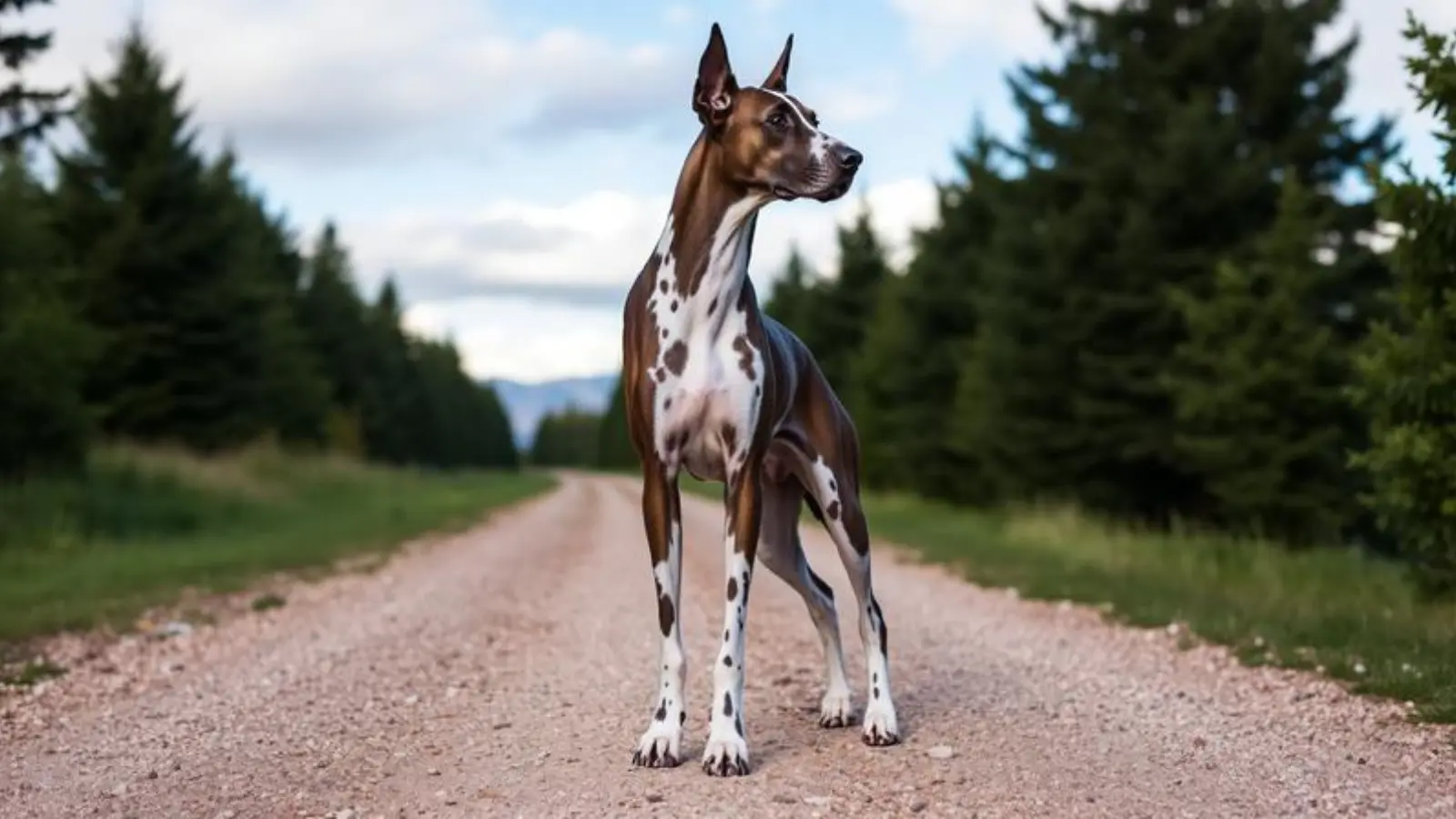
Great Dane height typically ranges from 28 to 32 inches (71 to 81 cm) at the shoulder, making this breed one of the tallest dog breeds in the world.
Males generally stand a minimum of 30 inches with a preferred height of 32 inches or more, while females start at a minimum of 28 inches and preferably reach 30 inches or higher.
People search for Great Dane height because these gentle giants create such a striking visual impression whether as family companions, show dogs, or record holders.
Understanding the exact measurements helps potential owners prepare for space, food, and care needs, and it satisfies curiosity about how these dogs compare to other breeds or even people.
This guide covers the full details for 2026, including measurements in feet/inches and centimeters, growth patterns, comparisons, and key facts so you have accurate, practical information in one place.
Great Dane Height in 2026
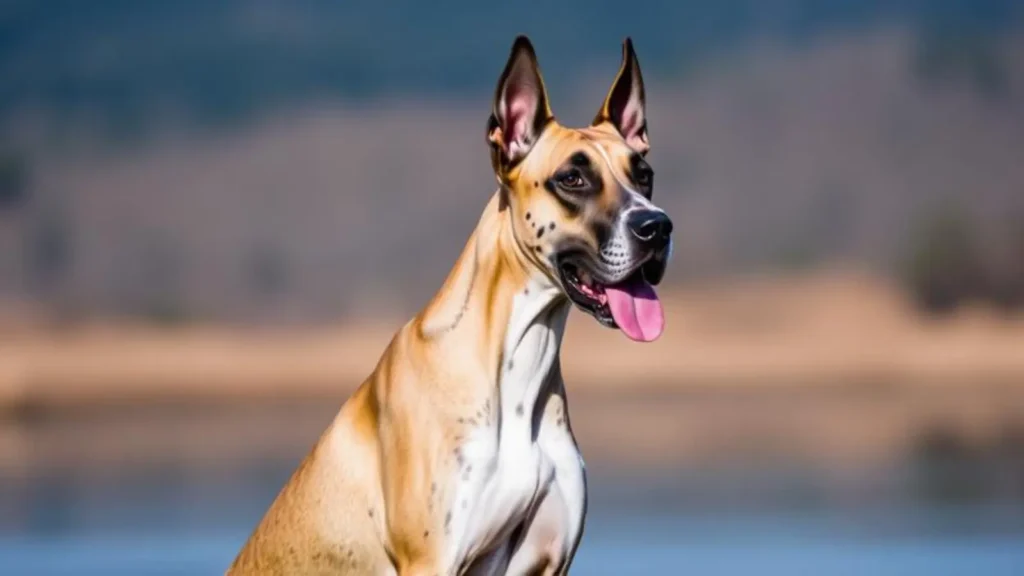
In 2026, the accepted Great Dane height remains consistent with long-standing breed standards from major kennel clubs. According to the American Kennel Club (AKC), a mature male Great Dane must measure at least 30 inches at the shoulders (withers), with 32 inches or more preferred as long as the dog stays well-proportioned. Females must reach at least 28 inches, preferably 30 inches or taller. These figures refer specifically to height at the withers—the highest point of the shoulder blades—rather than the top of the head or overall standing height when the dog holds its head up.
Most adult Great Danes fall within 28–32 inches (71–81 cm) at the withers. Some individuals, especially males from strong bloodlines, exceed 34 inches, and exceptional dogs have set world records far higher. Weight typically accompanies this height: males often range from 140 to 175 pounds (64–79 kg), and females from 110 to 140 pounds (50–64 kg). The breed standard emphasizes balance and elegance over extreme size, so a well-built Great Dane should never look clumsy or overly heavy for its frame.
No major changes to the official standards have occurred recently, so the numbers that applied in previous years still hold true in 2026. Breeders and owners continue to prioritize health and proportion alongside height.
How Tall Is a Great Dane?
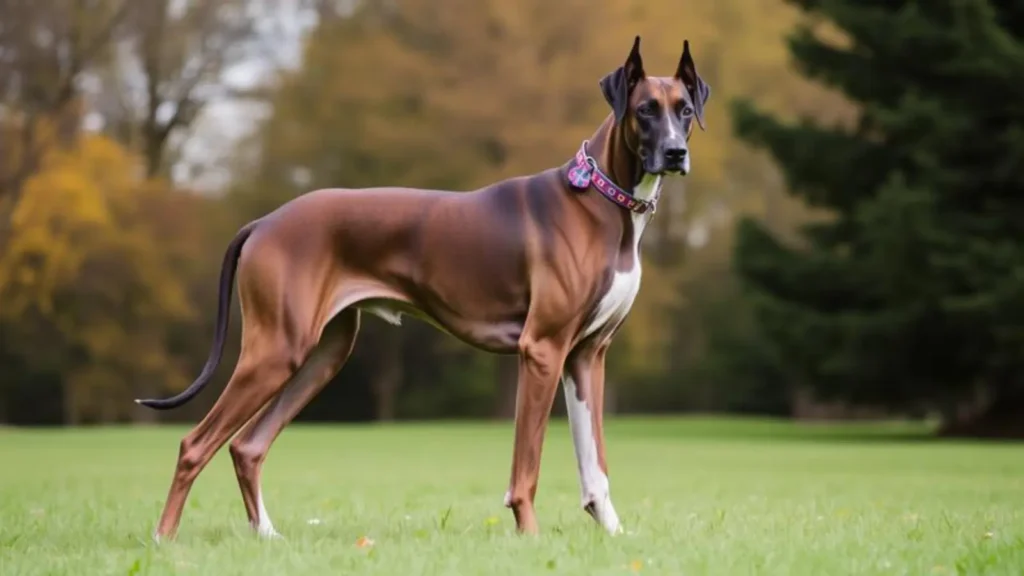
How tall is a Great Dane? The straightforward answer depends on sex and individual variation, but the breed standard provides clear guidelines:
- Males: Minimum 30 inches (76 cm) at the shoulder; preferred 32 inches (81 cm) or more.
- Females: Minimum 28 inches (71 cm) at the shoulder; preferred 30 inches (76 cm) or more.
- Typical adult range: 28–32 inches (71–81 cm) at the withers for most dogs.
- Overall standing height (head held naturally): Often 42–50 inches (107–127 cm) from ground to top of head.
- On hind legs: Many adult Great Danes reach 6 to 7 feet (183–213 cm) or taller when standing upright.
Great Dane height in feet is therefore roughly 2 feet 4 inches to 2 feet 8 inches at the shoulder for standard adults. Converted fully, that is about 2.33–2.67 feet at the withers. When a large male rears up, the full vertical reach can match or exceed the height of many adult humans. These measurements explain why the breed earns nicknames like “gentle giant” and “Apollo of dogs.”
Measurements are always taken at the withers for consistency across dog shows and veterinary records. Head height or length from nose to tail can vary more with posture and individual conformation.
Great Dane Height Comparison with Other Breeds and Animals
Comparing Great Dane height with other dogs and even people helps put the numbers in perspective. Here is a clear comparison table using typical adult heights at the withers (or equivalent for humans):
| Subject | Typical Height at Shoulder / Equivalent | Difference vs Average Great Dane |
| Great Dane (male) | 30–32+ in (76–81+ cm) | — |
| Great Dane (female) | 28–30+ in (71–76+ cm) | Slightly shorter |
| Irish Wolfhound | 30–32 in (76–81 cm) | Similar |
| Mastiff | 27–30 in (69–76 cm) | Shorter |
| Saint Bernard | 26–30 in (66–76 cm) | Shorter |
| German Shepherd | 22–26 in (56–66 cm) | Much shorter |
| Labrador Retriever | 21.5–24.5 in (55–62 cm) | Much shorter |
| Average adult human male | ~69 in (175 cm) standing | Dane reaches similar on hind legs |
| Average adult human female | ~64 in (163 cm) standing | Dane often taller on hind legs |
Great Danes rank among the tallest purebred dogs, often matching or exceeding Irish Wolfhounds in height while maintaining a more refined, square build. They are taller than most mastiff-type breeds and dramatically taller than popular family dogs like Labs or Golden Retrievers. When standing on hind legs, a large Great Dane can look a person of average height directly in the eyes or even taller, which is one reason owners often share photos of their dogs “hugging” them at eye level.
Great Dane Height vs Average Dog or Person
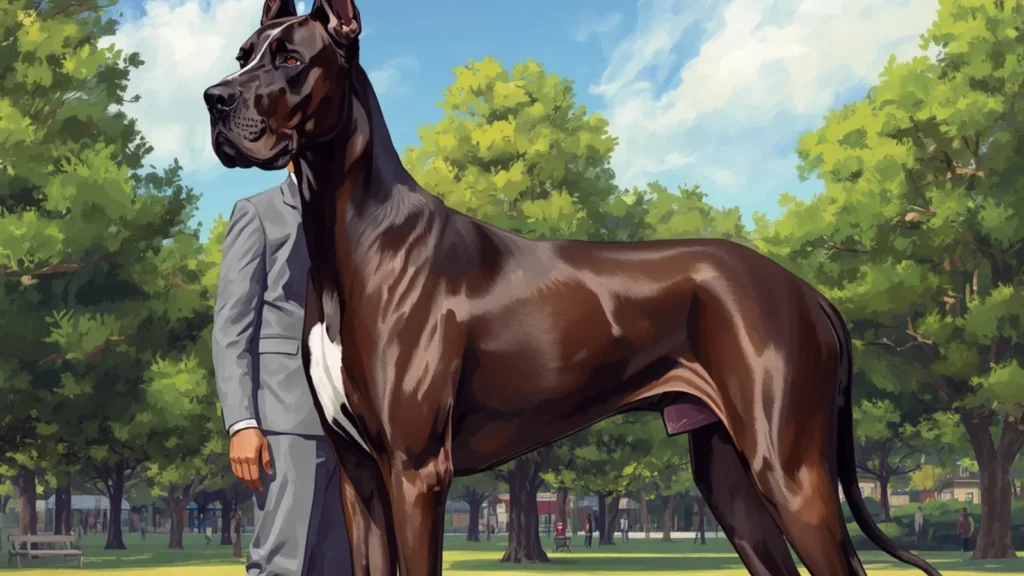
Great Dane height vs average person or average dog highlights just how exceptional the breed is. The average dog (across all breeds) stands far shorter—many common pets measure 15–25 inches at the shoulder. A typical Great Dane is nearly twice as tall as a medium-sized dog and significantly taller than most large breeds.
Against people, the shoulder height of 28–32 inches means a Great Dane’s back is roughly level with a person’s waist or lower chest. When the dog stands on its hind legs, the full height frequently reaches 6–7 feet, placing the head above many adults. Record-holding individuals have exceeded 7 feet in this posture. This size difference is why prospective owners must carefully consider living space, vehicle size, furniture durability, and the physical strength needed to manage a dog that can lean or jump with considerable force.
The contrast also explains the breed’s strong visual impact in public or on social media. A well-socialized Great Dane walking calmly beside its owner creates an unforgettable sight precisely because of this height difference.
Factors That Influence Great Dane Height: Genetics, Nutrition, and Lifestyle
Genetics play the largest role in determining Great Dane height. Breeders select for dogs that meet or exceed the minimum standards while maintaining the elegant, balanced structure the breed is known for. Parent dogs that are taller than average often produce taller offspring, though litter variation still occurs.
Nutrition during the critical growth period is equally important. Great Dane puppies grow extremely rapidly—sometimes gaining several inches and many pounds each month in the first year. They require large-breed puppy formulas that control calcium and calorie levels to support steady bone development without encouraging overly fast growth, which can lead to joint or skeletal issues. Overfeeding or improper mineral balance can cause problems even if the final height looks impressive.
Lifestyle factors such as appropriate exercise, good health care, and avoiding excessive stress or injury also influence whether a dog reaches its full genetic potential. Controlled exercise on soft surfaces helps developing joints, while regular veterinary monitoring catches growth-related concerns early. Once a Great Dane reaches adulthood (usually by 18–24 months for height and up to 2–3 years for full muscle fill), height stabilizes permanently. Adult lifestyle affects weight, muscle tone, and posture more than actual bone length.
Timeline of Great Dane Height Growth
Great Dane height develops quickly compared with smaller breeds. A rough timeline based on typical growth patterns looks like this:
- Newborn to 2 months: 8–16 inches; rapid early growth.
- 3–4 months: 17–26 inches; puppies already look large.
- 5–6 months: 23–33 inches; many reach near-adult shoulder height range.
- 7–12 months: 27–36 inches; most of the vertical growth occurs.
- 18–24 months: Full adult height is usually achieved.
- 2–3 years: Final muscle mass and chest depth fill in, completing the mature appearance.
Males tend to continue growing a bit longer and end up taller on average. Individual dogs vary based on genetics, diet, and overall health, so these ranges serve as guidelines rather than strict rules. Breeders and veterinarians often track both height and weight against growth charts to ensure the puppy is developing proportionally.
Interesting and Surprising Facts About Great Dane Height
- The tallest dog ever recorded was a Great Dane named Zeus, who measured 44 inches (111.8 cm) at the shoulder and stood over 7 feet on his hind legs.
- When standing upright, many adult males easily reach 6 feet 1 inch to 6 feet 6 inches or more from paw to nose.
- Great Danes are often called the world’s largest lapdogs because of their friendly nature despite their size.
- The breed standard deliberately sets minimum heights and disqualifies dogs that fall short, ensuring the “great” size remains a defining trait.
- Their square body proportion (height roughly equal to body length) contributes to the elegant appearance even at extreme heights.
- Because of their rapid growth, a Great Dane puppy can gain the equivalent height of a human child’s multi-year growth in just its first 12 months.
These details make Great Dane height a frequent topic of conversation among dog enthusiasts and a key reason the breed continues to capture public attention.
Frequently Asked Questions
How tall is a Great Dane?
A typical adult Great Dane stands 28–32 inches (71–81 cm) at the shoulder. Males are usually 30 inches or taller (preferably 32+), and females 28 inches or taller (preferably 30+).
What is Great Dane height in feet and centimeters?
In feet, shoulder height is roughly 2 feet 4 inches to 2 feet 8 inches. In centimeters that equals 71–81 cm at the withers. Full standing height is higher, and on hind legs many reach 6–7 feet (183–213 cm).
Is a Great Dane taller than the average dog or person?
Yes. Great Danes are among the tallest dog breeds and stand well above average dogs. On hind legs they often match or exceed the height of an average adult human.
Has Great Dane height changed over time?
The official breed standards have remained stable for many years. Individual dogs and bloodlines vary, and record holders have pushed the upper limits, but the accepted minimums and preferred ranges for show and breeding dogs are consistent into 2026.
How does Great Dane height compare with other giant breeds?
Great Danes are comparable in height to Irish Wolfhounds and generally taller at the shoulder than Mastiffs or Saint Bernards, while maintaining a more refined, athletic outline.
Why do people search for Great Dane height so often?
Their impressive size is the breed’s most distinctive feature. Accurate height information helps owners plan living arrangements, understand care requirements, and satisfy simple curiosity about these gentle giants.
Conclusion
Great Dane height of 28–32 inches at the shoulder (with males preferably 32 inches or more) places this breed firmly among the tallest dogs in the world. The combination of imposing stature, elegant proportions, and gentle temperament continues to draw admirers in 2026.
Compared with average dogs or people, a Great Dane stands out dramatically especially when rearing up to eye level or beyond. Genetics set the foundation, while careful nutrition and management during the rapid growth phase determine how fully that potential is reached.
Whether you are researching before bringing one home, comparing breeds, or simply curious about the numbers, the answer is clear and consistent: Great Danes are true giants in height while remaining balanced and graceful.
Their size is a major reason people keep searching for details about Great Dane height year after year.

A storyteller who turns simple thoughts into powerful caption lines.