
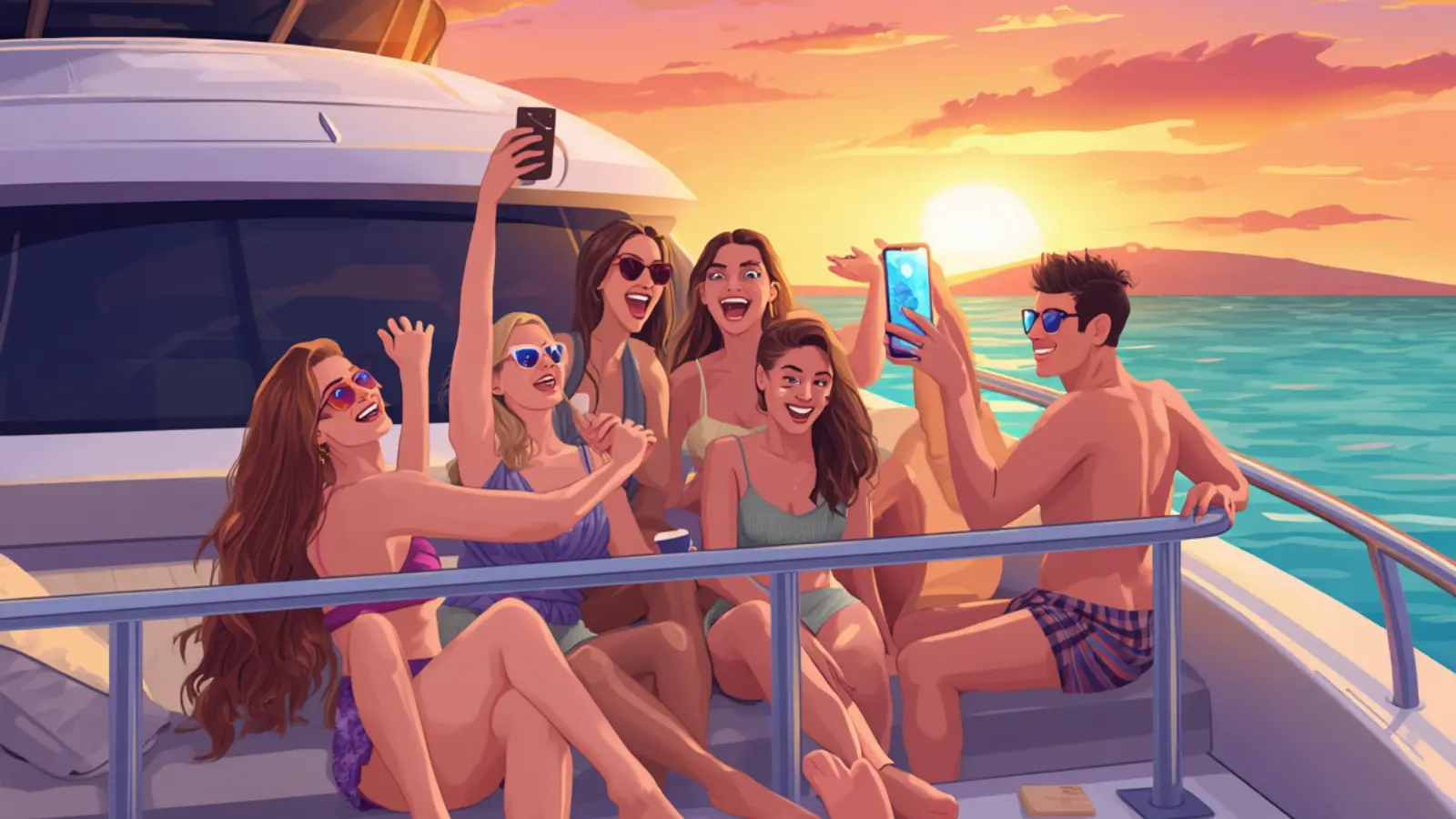
They blend wanderlust language, sensory details, and soft calls to action so followers feel the ocean breeze, the excitement of new ports, and the calm of open water while increasing likes, comments, and profile visits.
These captions matter more than ever because the Instagram algorithm rewards content that keeps people lingering, saving, and replying.
A strong caption lifts engagement rate, improves visibility in Explore and hashtag feeds, and turns one-time viewers into loyal followers who wait for your next sailing update.
Whether you post static images of a balcony sunrise or Reels of the ship leaving harbor, the right words multiply reach without sounding forced.
Below you will find twelve completely original frameworks for writing cruise captions that feel human, fresh, and effective.
Each section delivers twelve practical, ready-to-use points so you can adapt them immediately to your own feed.
Capturing the First Horizon Line in Opening Lines
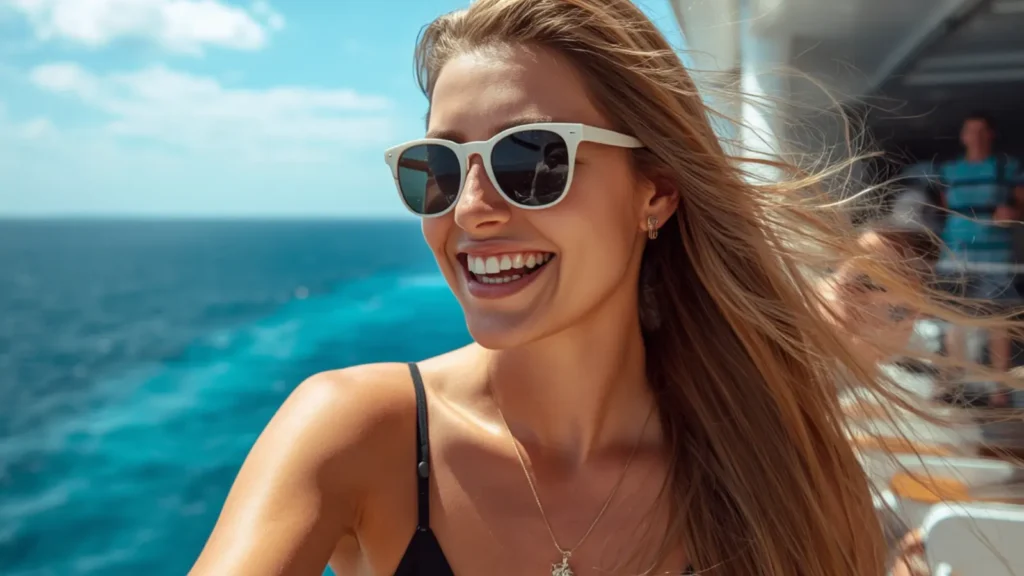
- Start every caption with the exact moment the ship clears the breakwater and the horizon opens wide. Describe the color shift from city gray to deep blue so readers feel the departure in their chest.
- Mention the low vibration under your feet when the engines settle into open-water rhythm. This sensory detail makes the caption more memorable than generic “setting sail” phrases.
- Pair the first line with a soft question about the reader’s own first-cruise memory. Questions raise reply rates and signal the algorithm that the post sparks conversation.
- Keep the opening under twelve words so it remains fully visible in the feed without tapping “more.” Short openers improve initial dwell time.
- Weave in one specific ship detail the shape of the funnel or the sound of the horn to ground the emotion in reality.
- Use the word “finally” or “at last” only when it feels earned; overuse flattens the excitement.
- End the first sentence with an emoji that matches the light 🌅 for sunrise departures, 🌊 for afternoon leaves.
- Avoid starting with “Just left port.” Readers have seen it hundreds of times; originality raises save rates.
- Test the line by reading it aloud. If it sounds like something you would actually say to a friend, it will perform better.
- Place the primary emotion relief, thrill, quiet joy in the first eight words so the caption lands fast.
- Reference the exact time of day only when the light itself is part of the story. Time stamps alone feel clinical.
- Close the opening block with a soft bridge into the rest of the caption so the reader keeps scrolling instead of bouncing.
Layering Deck-Chair Moments Into Quiet Power Captions

- Describe the exact angle of the sun on the lounge chair fabric so the reader can almost feel the warmth.
- Mention the soft clink of ice in a glass without naming the drink; mystery invites comments.
- Note the distant laughter from the pool while you stay in your quiet corner contrast creates depth.
- Use short sentences that mimic the slow breathing of someone fully relaxed at sea.
- Add one tactile detail such as the slight salt film on your skin after an hour outside.
- Invite readers to share their own favorite “do-nothing” ship moment; this raises engagement rate naturally.
- Keep the caption under 120 characters if the photo already carries strong visual weight.
- Insert a single hashtag related to slow travel near the end rather than a block of twenty.
- Reference the gentle roll of the ship only if it is noticeable; forced drama weakens authenticity.
- Pair the text with a Reel that shows the same chair from three slow angles for higher completion rates.
- End with a calm statement instead of an exclamation mark to match the mood of the scene.
- Review the caption the next morning; quiet moments often read better after a night of rest.
Mapping Port Arrival Energy Across Multi-Image Carousels
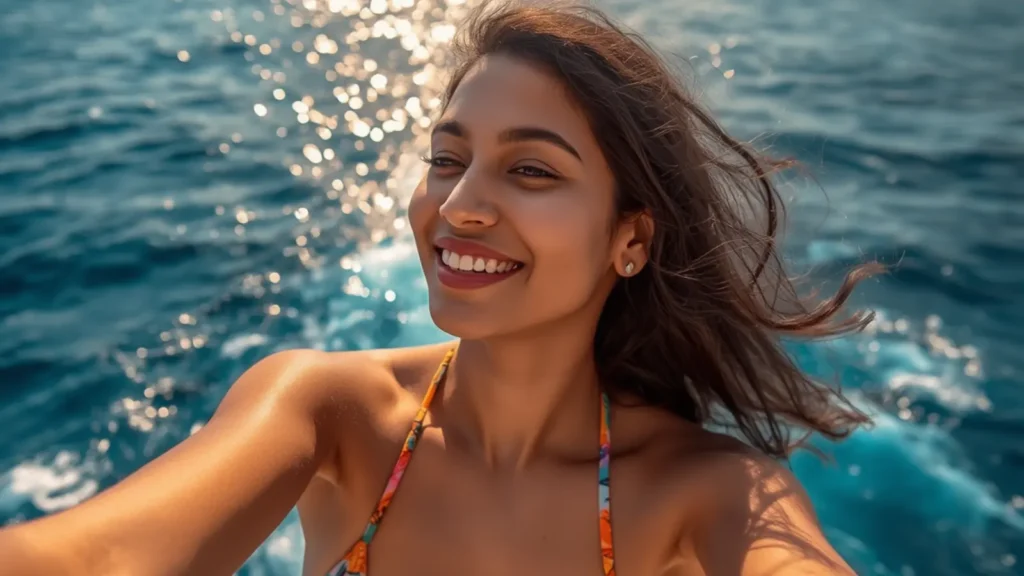
- Write a separate micro-caption for each slide that advances the story of stepping ashore.
- Use the first slide text to name the port and the second to describe the first scent that hits you.
- Keep each slide caption under 40 words so readers swipe without fatigue.
- Place a soft call to action only on the final slide “Which stop would you explore first?”
- Match the language rhythm to the walking pace of the pier shorter sentences for crowded docks, longer for quiet ones.
- Include one local detail that only someone who actually walked the streets would notice.
- Avoid listing every attraction; one vivid moment outperforms a checklist.
- Use a consistent emoji style across the carousel so the set feels intentional.
- Test the order of slides: put the most emotional image third or fourth for higher completion.
- Add a location sticker only on the first slide to protect the clean look of the rest.
- Write the captions before you finalize the photo order so the narrative drives the visual sequence.
- After posting, reply to early comments with more port details; this extends the conversation window and lifts visibility.
Weaving Cabin Balcony Rituals Into Daily Story Captions
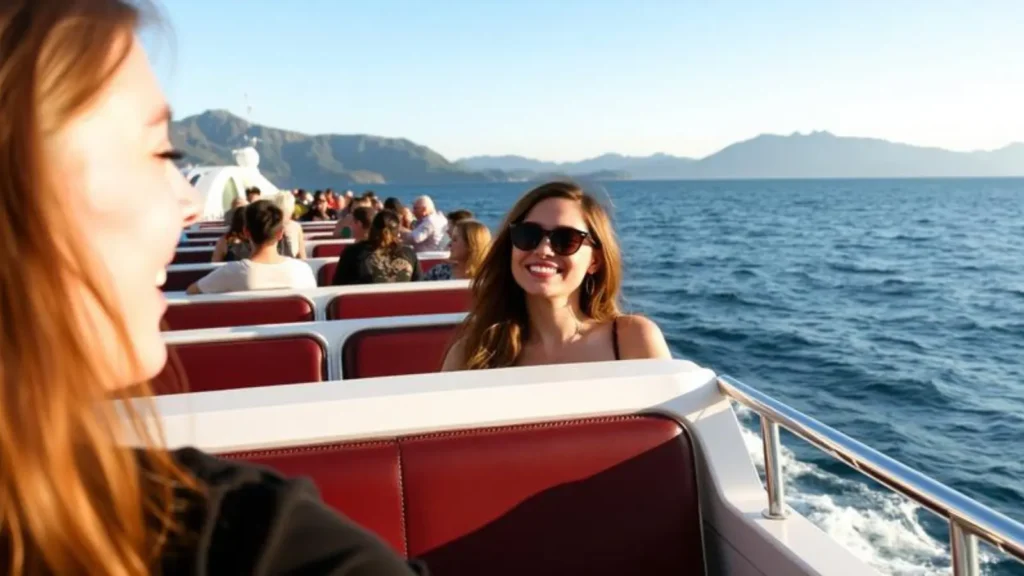
- Capture the exact light that hits the balcony railing at 7 a.m. and name the feeling it creates.
- Mention the soft sound of the wake far below as a steady background track.
- Describe the first sip of coffee while the ship is still moving; motion plus caffeine equals pure calm.
- Keep the language simple enough that a reader can almost hear their own balcony in the words.
- Use one sensory triad sight, sound, temperature and stop. Overloading dilutes impact.
- Invite followers to share their own morning-at-sea habits; replies raise the engagement rate.
- Post these captions mid-week when feeds feel heavier with work content; contrast helps visibility.
- Pair with a 15-second Reel of the horizon line shifting slowly for higher watch time.
- Avoid mentioning the cabin number or deck level; privacy and mystery perform better.
- End with a quiet statement rather than a question if the mood is reflective.
- Write three versions and choose the one that feels least polished; raw often wins.
- Save the strongest balcony captions in a Notes folder for future sailings so the quality stays high.
Elevating Formal Night Glamour Without Sounding Stiff
- Focus on the small personal detail the way the dress moved when you turned, not the designer name.
- Describe the soft glow of the dining room lights reflecting in the windows against the dark sea.
- Mention the brief pause before the first course when everyone at the table looked out at the water.
- Keep sentences elegant but short so the caption never feels like a press release.
- Use one carefully chosen emoji ✨ or 🥂 rather than a string of sparkles.
- Invite readers to share their own favorite formal-night memory from past cruises.
- Pair the caption with a candid photo rather than a posed one for higher authenticity scores.
- Avoid listing every course; one perfect bite is more powerful than a full menu.
- Write the caption in the same tone you would use when telling a friend about the night.
- Post within two hours of the dinner for maximum relevance and algorithm favor.
- If using a Reel, match the caption length to the video length so neither overpowers the other.
- Reply to comments with one extra sensory detail; this keeps the post active longer and improves visibility.
Timing Sunset Silhouette Captions for Maximum Feed Impact
- Post the photo within 20 minutes of the actual sunset so the caption feels live.
- Name the exact color progression tangerine to violet to deep indigo in three short phrases.
- Mention the temperature drop that happens in the final ten minutes of light.
- Keep the caption under 90 words so it remains easy to read while the light is still changing.
- Use a single hashtag related to golden hour rather than a long list.
- Ask a soft question about the reader’s favorite sunset location to spark replies.
- Pair with a Reel that shows the sky changing in real time for higher completion rates.
- Avoid overused phrases such as “chasing sunsets”; originality raises save rates.
- Write the caption while the sky is still shifting so the emotion stays accurate.
- Place the strongest visual word “burn,” “melt,” “dissolve” near the beginning.
- Test posting both as a feed photo and a Story; different formats reach different segments of your audience.
- After the post, go live briefly from the same deck to extend the conversation and boost overall engagement rate.
Building Excursion Stories That Feel Like Shared Adventures
- Open with the exact moment you stepped off the ship and the air changed.
- Describe one unexpected detail a street musician, a sudden rain scent, a hidden courtyard rather than the guidebook highlight.
- Keep the language in present tense so readers feel they are walking beside you.
- Limit the caption to three vivid scenes; more becomes a travel brochure.
- End with a question that invites readers to share their own shore-day surprises.
- Use location-specific hashtags sparingly and only after the main text.
- Pair the caption with a short Reel of movement walking, looking up, turning a corner for higher watch time.
- Avoid naming every restaurant or shop; one perfect moment outperforms a list.
- Write the caption the same evening while the memory is still sharp.
- Include one practical tip only if it feels natural, not forced.
- Reply to comments with extra micro-details; this signals the algorithm that the post is valuable.
- Save the strongest excursion captions for a later carousel that covers the entire itinerary.
Balancing Pool-Deck Energy With Authentic Traveler Voices
- Capture the exact sound of water splashing against the edge of the pool while music plays softly.
- Mention the temperature of the deck under bare feet at midday.
- Describe one brief conversation overheard that made you smile.
- Keep the caption light and conversational so it matches the atmosphere.
- Use short paragraphs that mirror the quick glances people make while lounging.
- Invite followers to share their own pool-deck rituals; replies lift engagement rate.
- Pair with a Reel that shows slow motion of water and light for higher completion.
- Avoid listing every activity; one clear mood outperforms a schedule.
- Write the caption in the same voice you would use when texting a friend on the same ship.
- Post during the late afternoon when many people are still on deck and likely to engage.
- Use one relevant emoji that matches the energy ☀️ or 💦 and stop there.
- Review comments the next morning and reply with more context; this extends the post’s visibility window.
Crafting Nighttime Deck Captions That Hold Quiet Magic
- Begin with the exact moment the last daylight disappears and the ship lights take over.
- Describe the soft vibration of the engines felt through the railing.
- Mention the temperature of the night air against your arms.
- Keep sentences measured and calm to match the slower pace of evening.
- Use one carefully chosen sensory detail rather than a list of five.
- End with a reflective statement instead of a loud call to action.
- Pair the caption with a photo that shows both the ship lights and the dark water.
- Avoid overusing words like “magical” or “breathtaking”; fresher language performs better.
- Write the caption while still on deck so the feeling stays accurate.
- Post after 9 p.m. when many feeds quiet down and your content can stand out.
- If using a Reel, keep it under 20 seconds and let the ambient sound carry the mood.
- Reply to late-night comments with equal quiet energy; this builds a consistent brand voice.
Sustaining Post-Cruise Reflection Captions That Keep Momentum
- Open with the first ordinary morning back on land and the missing sound of the ocean.
- Name one small habit from the ship that you already miss.
- Keep the tone warm and honest rather than overly dramatic.
- Invite readers to share what they miss most after their own sailings.
- Use the caption to tease the next voyage without sounding like an ad.
- Pair with a photo that shows both a suitcase and a horizon memory.
- Write the caption within 48 hours of returning while the contrast is strongest.
- Avoid long lists of “lessons learned”; one clear feeling is enough.
- Place a soft question near the end to keep the conversation alive.
- Use hashtags related to future travel rather than the specific past cruise.
- Reply to comments by asking follow-up questions; this raises the overall engagement rate of the post.
- Save these reflection captions in a dedicated folder so you can evolve them for future trips.
Pairing Reels Motion With Caption Rhythm for Higher Completion
- Write the caption first so the video editing follows the emotional arc of the words.
- Match sentence length to the pace of the clips short for fast cuts, longer for slow pans.
- Place the strongest line at the moment the visual peaks.
- Keep total caption length under 150 characters for Reels so it stays readable.
- Use one emoji that appears at the exact second the visual emotion hits.
- End with a question that encourages viewers to watch again or share.
- Test the caption by watching the Reel on mute; the words should still make sense.
- Avoid repeating information already clear in the video; captions should add new layers.
- Post Reels during the hours your audience is most active for maximum initial velocity.
- Monitor the average watch time and adjust future caption length accordingly.
- Reply to comments with additional context from the voyage; this signals value to the algorithm.
- Archive high-performing Reels captions so you can refine the formula over successive sailings.
Measuring Caption Impact Through Saves, Shares, and Quiet Signals
- Track which captions earn the most saves; those are the ones people want to return to.
- Note which ones generate the longest comment threads; depth matters more than volume.
- Watch for shares to Stories these often indicate the caption felt personal enough to pass on.
- Compare engagement rate across different caption lengths to find your sweet spot.
- Review the first hour of performance; early velocity often predicts overall reach.
- Look at profile visits after posting; strong captions turn viewers into followers.
- Notice which emojis appear most in replies; this reveals the emotional tone that resonates.
- Test posting the same photo with two different caption styles a week apart.
- Keep a simple log of the top five performing captions from each cruise.
- Adjust future writing based on real data rather than assumptions.
- Celebrate small wins a thoughtful comment can matter more than a hundred likes.
- Use the insights to evolve your voice so every new voyage caption feels sharper and more connected.
Conclusion
Strong cruise captions Instagram do more than describe a trip. They transfer the feeling of open water, new ports, and quiet deck moments into the feeds of people who may never sail but still want to feel the journey.
When you write with specific sensory detail, honest emotion, and a clear understanding of how the algorithm rewards conversation and saves, your posts rise in visibility and your engagement rate climbs naturally.
Take one of the frameworks above, open your camera roll from the last sailing, and write a fresh caption today.
Then post it, reply to the first comments, and watch how the right words turn a simple ocean photo into a connection that lasts long after the ship has returned to port. Your next caption is already waiting make it count.

Expert in crafting motivational and inspirational caption content.